Introduction
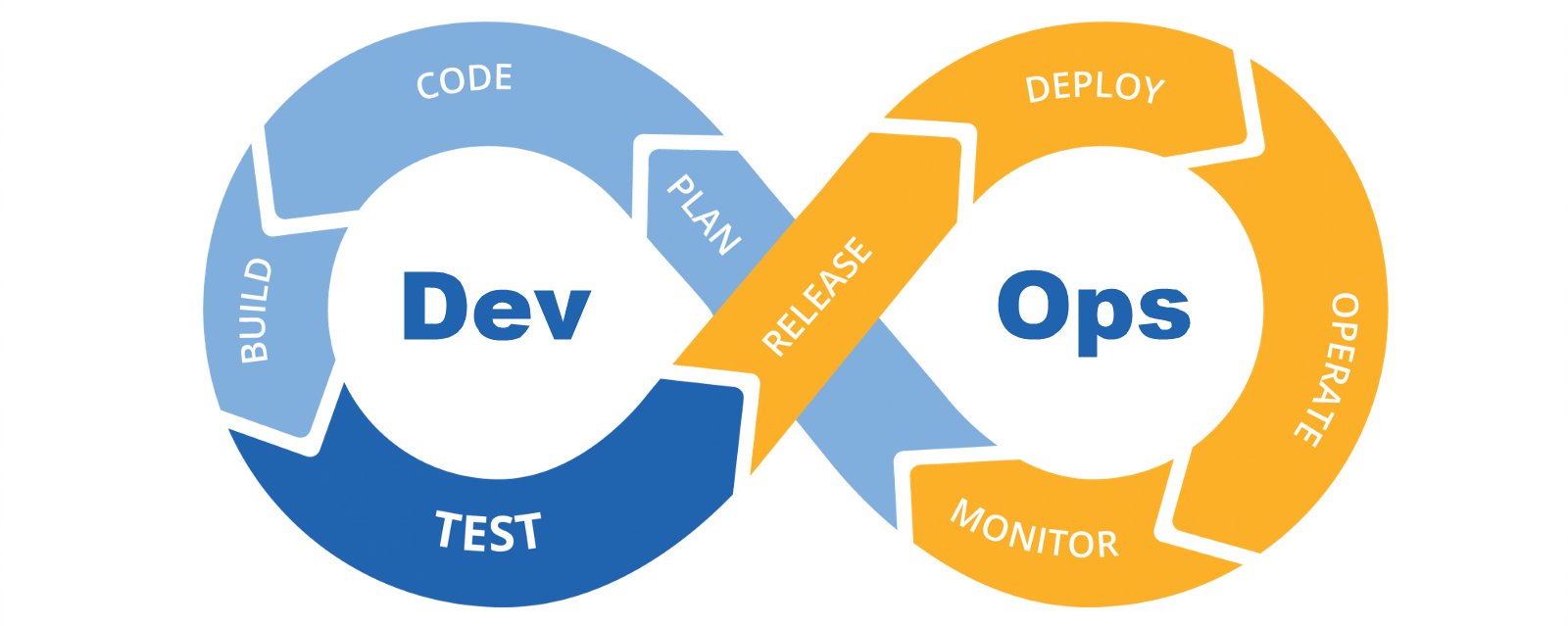
DevOps is a collaborative approach that combines software development (Dev) and IT operations (Ops) to enhance the speed, quality, and reliability of software delivery. It emphasizes automation, continuous integration/continuous delivery (CI/CD), and a culture of collaboration between teams to deliver value to customers faster.
Pillars of DevOps
The “Three Ways” of DevOps, introduced by Gene Kim, emphasize the principles and practices that underpin DevOps success. These ways focus on workflow efficiency, feedback loops, and continuous learning to deliver value to customers and improve organizational outcomes.
1. The First Way: Flow
Focus on optimizing the flow of work from development to operations and ultimately to customers. Emphasizes reducing bottlenecks, dependencies, and delays in the system.
Practices include:
- Implementing CI/CD pipelines.
- Automating manual processes (e.g., testing, deployment).
- Adopting tools like Infrastructure as Code (IaC) for consistency.
Goal: Achieve faster, predictable, and reliable delivery of changes.
2. The Second Way: Feedback
Establishes fast and effective feedback loops between teams and stakeholders. Ensures that issues are identified and resolved early in the process.
Practices include:
- Continuous monitoring of systems and applications.
- Incorporating customer feedback into development.
- Automating alerting and diagnostics for faster incident response.
Goal: Enable continuous improvement by promoting visibility and quick responses to problems.
3. The Third Way: Continuous Learning and Experimentation
Encourages a culture of learning, experimentation, and risk-taking to drive innovation and improvement. Supports resilience through blameless postmortems and iterative experimentation.
Practices include:
- Encouraging knowledge sharing across teams.
- Running experiments (e.g., chaos engineering) to test system reliability.
- Embracing a growth mindset to foster innovation and adaptability.
Goal: Build a culture that values learning, evolves processes, and improves performance over time.
By following these “Three Ways,” organizations can create a system of continuous delivery, feedback, and improvement, forming the foundation for a robust DevOps practice.
C.A.L.M.S Principles
The CALMS framework provides a holistic perspective on adopting DevOps practices:
Culture
Focus on creating a collaborative environment where teams share goals and responsibilities. Encourages innovation and a continuous improvement mindset.
Automation
Utilize tools and scripts to automate repetitive tasks, ensuring faster deployments and reduced human error.
Lean
Streamline workflows by minimizing waste, optimizing resource usage, and delivering value to customers efficiently.
Measurement
Implement key performance indicators (KPIs) to track deployment frequency, lead time, mean time to recovery (MTTR), and system reliability.
Sharing
Promote transparency, cross-functional sharing of knowledge, and practices within and across teams to improve cohesion and trust.